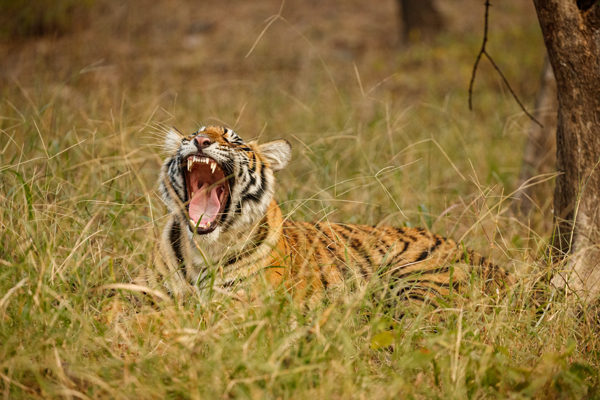
If you’re keen on a bit of a bash in the wild, Ranthambore National Park in Rajasthan is about as good as it gets. For us Kiwis used to the quiet bush and native birds, coming face-to-face with a Royal Bengal Tiger is a proper “pinch-me” moment. It’s a place where ancient history and raw nature don’t just meet—they collide in the most spectacular way.
A Legacy of Conservation
It wasn’t always a sanctuary, though. Back in the day, these sun-drenched forests were the private hunting grounds of the Maharajas of Jaipur. Thankfully, things shifted in the 1970s with the launch of “Project Tiger,” which turned the area into a protected stronghold. Today, it’s a world-class example of conservation in action. With dedicated anti-poaching squads and local community support, the tiger population has bounced back brilliantly—growing to over 80 individuals in the wider landscape as of 2026. It’s heartening to see such a turnaround, proving that with a bit of “mana” and effort, we can save these magnificent beasts.
The Legends of the Jungle
The tigers here aren’t just anonymous animals; they’re local celebrities with names, territories, and stories. The most legendary was Machli (the “Queen Mother”), famous for her incredible strength and for once taking down a 14-foot crocodile in front of stunned onlookers! While she passed away a few years back, her lineage lives on. Today, you might spot her great-granddaughter Riddhi, a bold and feisty tigress who currently rules the lake area. Seeing these majestic cats in their natural habitat is a humbling experience that really hits home why protecting them is so vital.
A Trek with a View: Ranthambore Fort
Once you’ve had your fill of the jungle floor, head up to the Ranthambore Fort. This 10th-century UNESCO site sits high on a cliff, offering a stunning vista of the entire reserve. The trek up involves a fair few steps, so take it steady and keep your fluids up. Along the way, you’ll pass massive ancient gates and the famous Trinetra Ganesh Temple, where locals send wedding invitations to the deity for good luck. Pro tip: keep an eye on your gear—the local monkeys are quite cheeky and might try to nick your lunch if you’re not looking!
The “Guava City” Surprise
Now, here’s a tip for the foodies: Sawai Madhopur (town that hosts Ranthambore) is famously known as India’s “Guava City.” If you’re visiting in late October, you’re in for a treat. These local guavas are a bit of a secret weapon for staying match-fit while on the road.
Beyond the massive hit of Vitamin C to keep the “travel bugs” at bay, their high fiber and pectin content acts as a natural regulator for the digestive system, which is brilliant for helping the gut adjust to new spices and rich Indian cuisine. They are also incredibly hydrating and rich in potassium, helping to replenish electrolytes after a dusty day in the park or a big trek up to the fort in the Rajasthan sun. You’ll see farmers lining the roads with mountains of these superfruits; they’re picked fresh that morning and are the perfect refreshing snack.
A Spot of Shopping: Sawai Madhopur Market
To wrap up, pop into the Sawai Madhopur Market. It’s a brilliant place to soak up the local atmosphere without the frantic hustle of the bigger cities. You’ll find lovely local handicrafts, especially items made from Khas aka Vetiver (a local grass used for refreshing perfumes and hand-woven fans). It’s the perfect spot to pick up a few unique, “made-in-India” souvenirs for the folks back home before heading off to your next adventure.